A photo of Jeff Monreal, owner and operator of Jeff Monreal Funeral Homes posing in a black suit with no background

Painesville Location

1000 Mentor Avenue Painesville, Ohio 44077

Willoughby Location

38001 Euclid Avenue Willoughby, Ohio 44094

Mentor Location

6330 Center Street Mentor, Ohio 44060

Pros and Cons of Cremation

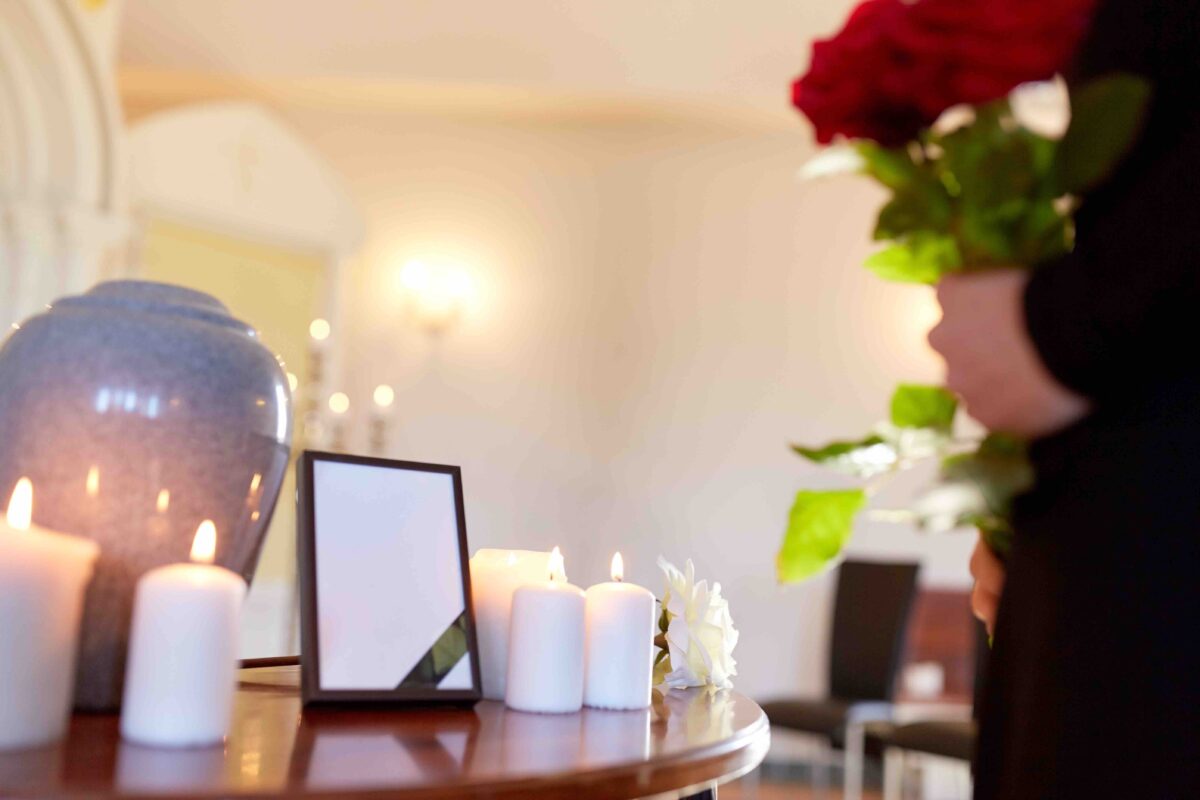
When making funeral plans for a deceased loved one, two main options are available for families: Cremation and Burial. Cremation is not an easy subject to think about.

Cremation is currently trending in the United States, and over sixty percent of the world’s population chooses cremation over burial. The most used phrase funeral directors hear about cremation is, “It’s cheaper. Mom didn’t want us to spend money on this.” 

Cremation vs. Burial PROS: 

1. You can still have a viewing/funeral before cremation.

  • This keeps the funeral somewhat the same as a traditional burial. Your friends and family can visit during the visitation, view your loved one in a casket, and have a funeral with the body present.
  • It can give you and your family some closure with the passing. It will feel more like a conservative funeral rite. Once the service is over, the cremation can proceed days later.

2. Cremation is less expensive than burial.

  • Casket Burial is more expensive than cremation cost because you need to choose a casket or cemetery plot. However, the costs can differ with your choice of urns or services.

3. Cremation uses less land and helps with overcrowding.

  • Cemeteries have been around for centuries. Many of the cemeteries are beginning to become overcrowded or running out of space for future burials while other families are interested in green burials.
  • With cremation, you can keep your loved ones remains with you, scatter their ashes, and bury them at sea in a coral reef or at the cemetery. Even if you decide to bury your loved one’s ashes at the cemetery, the urn vault is significantly smaller than a burial vault.

4. Cremated remains are portable and can be transferred into other urns.

  • The beauty of cremation is that you can take your loved one’s ashes with you anywhere. Let’s say you decide upon an urn at the time of passing.
  • Some people may want another urn later. You can take the urns to the funeral home, and they can transfer the cremains. The options are unlimited.
  • You can also divide the cremated remains into other urns for family members or friends. There is even an option for cremation jewelry.

5. Families have more time deciding on where the ashes will go.

  • It is very challenging to make any decision during your time of grief and pain. If you decide upon cremation, you and your family will have much more time to plan exactly what you would like to do. Burials are time sensitive and usually completed within a week.
  • In contrast, a cremation can give you more time to breathe and relax and decide what to do with the cremated remains. You can always scatter ashes or bury an urn; however, with burial, you are more pressured on time.

6. There are fewer details to plan for a service.

  • Memorial services generally do not require as much planning as a burial/funeral service. Also, you can plan a memorial service months later upon initial passing.
  • With memorial services, you don’t need to schedule a funeral procession or a graveside service at the cemetery. It may allow you more time to think about how you want to personalize your loved one’s celebration of life. 

Cremation vs. Burial CONS:

1. It is a permanent choice of disposition.

  • Cremation is such an irreversible form of disposition. The best example I can provide is if the death was due to a tragedy, most of the time, families want answers from the Medical Examiner and local police.
  • If your loved one is cremated, there is no physical body for the police to examine as evidence. If someone was buried, the police could exhume the grave (meaning they could take the body out of the ground) to further their investigation.

2. It may be against some religions.

  • Throughout history, some religions have had rules where they are prohibited from cremation or stray away from it. Traditionally, Catholics were opposed to cremation. They still prefer the body to be present during the funeral mass.
  • Still, they will allow cremation if the ashes are buried. Another religion that strictly prohibits cremation is Eastern Orthodox. Suppose your loved one is religious, and you are unsure about the religious aspect of cremation. In that case, calling a local church and asking is always best.

3. Cremation provides limited closure.

  • Whether you choose cremation or burial, spending some final time with your loved one is essential. That closure helps with the healing process. When you spend that final moment with your loved one, it gives you that sense of reality.
  • Those families that want cremation and no services find out later that they are regretful for not being able to see their loved one. Cremation does not give you as much closure in grieving as a full burial funeral.

4. It can cause family tension.

  • Unfortunately, some families do disagree with the final decisions of disposition. It can cause tension between other family members if one child wants cremation and the other wants burial. Another issue comes with the distribution of the ashes.
  • You can decide who gets to keep the ashes. All these decisions can cause families to feud. It may be more challenging for one family member to mourn than another due to the nature of cremation.

5. Cremation and death of a loved one can be hard to explain to children.

  • Children often need to understand death tangibly. This includes seeing their deceased loved one and being taught the truth behind the death. The best way children will learn is to witness the passing and not be sheltered from it.
  • Cremation can be more challenging for kids to understand because the closure of seeing their loved one may not be available. They may not understand the reality of death if they do not get the opportunity to experience it with their own eyes. They need to grieve in their own way, as adults do.

Green Burial

A green burial, also known as a natural burial or eco-friendly burial, is an environmentally conscious approach to burial that minimizes the impact on the Earth and encourages the decomposition of the body in a natural way.

It is an alternative to conventional burials using concrete vaults, which often involve embalming, using non-biodegradable materials, and maintaining manicured lawns in cemeteries.

The body is typically placed directly in the ground without embalming in a green burial. This allows the body to decompose and return to the earth naturally.

Using biodegradable materials, such as a simple wooden coffin or biodegradable casket, or a shroud made from natural fibers, is encouraged. The burial site is often chosen in a natural setting, such as a meadow or a forest, rather than a traditional cemetery.

The benefits of green burial include:

  1. Environmental Conservation: Green burials aim to reduce the environmental impact of traditional burial practices. Green burials help preserve natural resources, minimize carbon emissions, and protect ecosystems by avoiding embalming chemicals, non-biodegradable coffins, and concrete burial vaults.
  2. Natural Decomposition: Green burials promote the body’s natural decomposition, allowing it to return to the soil and contribute to the ecosystem. This process facilitates the recycling of nutrients and supports the growth of plants and wildlife.
  3. Cost-effectiveness: Green burials can be more affordable compared to conventional burials, as they often involve simpler and less expensive materials and procedures. This can make them an appealing option for those looking for a more budget-friendly choice.
  4. Emotional Connection to Nature: Green burials allow individuals and their loved ones to be laid to rest in a natural setting, creating a closer connection to the environment. This can offer a sense of peace and comfort for those who appreciate nature.

It’s important to note that green burial practices may vary depending on local regulations and cemetery policies. Suppose you are interested in pursuing a green burial. In that case, it is advisable to research and consult with Jeff Monreal Funeral Home to learn more about eco-friendly burial options.

There are many paths to change the way we approach end of life and after-death decisions. The Green Burial Council provides direction. Choosing unimpeded burial and the time-honored rituals that go with family-centered graveside funerals is one of them. 

Other Factors

There are several factors when making a final decision about your loved one. Keep these different aspects in your thoughts when choosing cremation vs. burial. Remember that the funeral director is there to answer any of your questions. It is a personal decision and every family has reasons for choosing cremation or burial, but it depends on your needs or wants. 

In summary, cremation allows you to still provide personalization in celebrating the life of your loved one. It is significantly less expensive than burial but can add up with all the extras you choose. 

Some religions may prohibit cremation and will not allow a member to be cremated. Cremation is also safer for the environment and takes up less space than burial. Because a memorial service has less to plan for, it can be easier for families who live further away. On the downside of cremation, it can be challenging to properly mourn and obtain closure if you do not view your loved one or have a service.

Jeff Monreal, our Funeral Director here at Jeff Monreal Funeral Home, understands your concerns with funeral arrangements. We focus on providing as much knowledge and education to you and your family before you make this big decision.  

If cremation services are something you would like to discuss, please don’t hesitate to get in touch with us today. We are only one phone call away from providing peace of mind and excellent service. Contact us to start planning for your family.
What do you do when a loved one dies? 

A checklist for the survivors

The emotional aspect of dealing with bereavement – even one that was expected – can be devastating. It can be easy to overcomplicate the process and get lost on your journey.

is no “right” way to do it. You may need professional help to talk through your feelings or time to process it all on your own.

Here is a list of suggestions for things you should do when a loved one dies:

  1. Take care of yourself. Ensure you eat healthy meals, get plenty of rest, and exercise regularly.
  2. Reach out to family and friends for support. Don’t be afraid to ask for help when you need it.
  3. Take your time when making decisions. You don’t need to rush into anything, and taking your time to think things through is ok.
  4. Make sure to attend to any necessary paperwork and financial matters. Connect with a grief counselor or bereavement support group if needed.
  5. Find ways to honor your loved one’s memory.

Whether it’s through a memorial service, a special tribute, or even a simple act of kindness in their name, take the time to remember them meaningfully.

The steps below outline the main areas you must address, starting immediately following the death. At Jeff Monreal Funeral Home, we can help you with all the important information and considerations along the way.

If you need clarification on where to start following a bereavement, Call Any Time (440) 527-6294, and we can go through your next steps together.

IMMEDIATELY AFTER DEATH: 

  • ❑ The funeral home should be contacted so that they take charge of adequately caring for your loved one. 
  • ❑ Alert your immediate family members and close friends. 
  • ❑ If employed, contact the deceased’s employer. 
  • ❑ If applicable, notify the deceased’s Power of Attorney. 
  • ❑ If applicable, notify the Executor of the deceased’s Will.
  • ❑ Notify civic organizations and fraternal or religious affiliations. 
  • ❑ For the probate of the estate: notify your attorney
  • ❑ Make arrangements for dependents or pets. 
  • ❑ Secure the residence by removing any valuables. Make the home appear occupied (such as using timers on lamps).
  • ❑ Dispose of perishable foods and empty garbage. 
  • ❑ Notify the Post Office to forward the deceased’s mail. 

Locate loved one’s essential documents:

  • ❑ Will 
  • ❑ Birth certificate
  • ❑ Social Security card
  • ❑ Marriage license
  • ❑ Military discharge papers (DD-214) 
  • ❑ Deed to burial property
  • ❑ Copy of funeral prearrangements 
  • ❑ Life insurance policies 

Compile the following information that the funeral home will need to finalize the death certificate: 

  • ❑ First, middle, and last name of deceased
  • ❑ Maiden Name (if applicable) and Home Address of deceased 
  • ❑ Social Security Number of deceased
  • ❑ Date of Birth of deceased
  • ❑ Date of Death 
  • ❑ Age of deceased
  • ❑ Gender of deceased
  • ❑ Ethnicity/Race 
  • ❑ Marital Status 
  • ❑ First and last name of Spouse
  • ❑ Highest level of education attained by deceased 
  • ❑ Occupation of deceased
  • ❑ Place of Birth (City and State) of deceased
  • ❑ Deceased’s Father’s Name 
  • ❑ Birth City 
  • ❑ Birth State Deceased’s Mother’s Name 
  • ❑ Birth City 
  • ❑ Birth State

If your loved one was a Veteran 

  • ❑ Service Date Entered
  • ❑ Service Place Entered
  • ❑ Service Number
  • ❑ Service Date Separated
  • ❑ Service Place Separated
  • ❑ Rank, or Rating, and Grade
  • ❑ Service Branch or Organization

WITHIN ONE MONTH: 

  • ❑ If applicable, talk to an attorney about probate. 
  • ❑ Talk to an accountant to discuss estate taxes. File claims with life insurance companies. 
  • ❑ Get in touch with the Social Security Administration and other government offices that may have paid the decedent.
  • ❑ If your spouse died, ask about new benefits and whether you are eligible. 
  • ❑ Notify Registrar of Voters. 
  • ❑ Cancel home services, like cable, internet, newspaper delivery, etc. 
  • ❑ Cancel any of the deceased’s prescriptions. 
  • ❑ Cancel the deceased’s driver’s license and transfer titles of all vehicles with the Department of Motor Vehicles. 
  • ❑ Contact the deceased’s employer.
  • ❑ Inquire about any 401 (k), pension, or company benefits to which the decedent may be entitled. 
  • ❑ Notify all three credit reporting agencies (see below). 
  • ❑ Obtain a current copy of your loved one’s credit report. 
  • ❑ Verify whether benefits are available on existing insurance policies depending on the circumstances of the death (accidental?).
  • ❑ Check benefits available through existing credit card or loan accounts for life insurance.
  • Ask about benefits you may receive through the VA if your loved one was a veteran.
  • ❑ File any outstanding claims for Medicare or health insurance 
  • ❑ Obtain copies of the deceased’s outstanding bills. 
  • ❑ Locate and obtain other important paperwork necessary for the settlement of their estate:
  • ❑ At least 12 copies of the death certificate in the form of certified Death Certificates 
  • ❑ Real estate deeds and titles 
  • ❑ Stock certificates
  • ❑ Real estate titles
  • ❑ Loan paperwork 
  • ❑ Bank and retirement account statements
  • ❑ Tax returns: the past four years
  • ❑ Notify all creditors in writing that a death has occurred. 
  • ❑ Change ownership of assets and lines of credit. 
  • ❑ Update your Will. 
  • ❑ Update beneficiaries on your life insurance policies, if necessary. 
  • ❑ Send acknowledgment cards for flowers, donations, food, and kindness. Also, remember to thank pallbearers. 
  • ❑ Organize and distribute the decedent’s personal belongings. 
  • ❑ Remove loved ones from marketing and mailing lists. 

❑ Update all legal documents, such as Power of Attorney, Living Will, and Trusts.

❑ Obtain copies of all insurance policies, including life, health, and long-term care policies. ❑ Apply for Social Security benefits.

❑ File final income tax returns and estate taxes.

❑ Pay any outstanding debts and bills.

❑ Make arrangements for the funeral and burial services.

❑ Work with an attorney to file probate documents.

❑ Retitle any jointly held assets in the surviving spouse’s name.

❑ Close all bank accounts and credit cards in the decedent’s name.

❑ Contact the decedent’s employer and file for any benefits.

❑ Collect any unpaid wages or vacation pay due to the deceased.

❑ Notify state and federal agencies of the death.

❑ Cancel any subscriptions or memberships in the decedent’s name.

❑ Distribute any remaining assets in accordance with the will.

IMPORTANT CONTACT INFORMATION 

DEPARTMENT OF VETERAN’S AFFAIRS 

1-800-827-1000 https://benefits.va.gov/benefits/

SOCIAL SECURITY ADMINISTRATION

1-800-772-1213 www.ssa.gov/pgm/links_survivor.htm 

CREDIT REPORTING AGENCIES 

EQUIFAX

1-800-685-1111 • www.Equifax.com 

TRANS UNION 

1-800-888-4213 • www.TransUnion.com

EXPERIAN 

1-888-397-3742 • www.Experian.com

Funeral Etiquette: Knowing the Do’s and Don’ts

Knowing what to do or say after a loved one dies can be challenging. You may be grieving too. Proper funeral etiquette can be confusing. Ensuring you don’t offend family members in pain is essential. 

You’re not alone if you don’t know what to do at a funeral. Sharing your condolences and learning how to do so is a part of funeral etiquette that many people don’t know much about. There are some things you can and should not do to express your sympathy during this trying time.

Proper Funeral Etiquette

Social practices and religious and personal preferences are involved in funeral etiquette, which varies considerably. But, the main idea is for you to share your support and participation in grieving for the deceased.

A primary rule is to be understanding and respectful. People do and say things they usually would not do or say when grieving. Your presence or a kind word means a lot to suffering people now.

Be Prompt

Celebrating the deceased person’s life is the purpose of the funeral.

Still, it’s also a time you may see many people you usually do not see very often. Suppose you were asked to participate in the service. It would be best to arrive at least thirty minutes early so that the officiant can review your role.

Choosing your Outfit 

Social customs, traditions, and observed religious services can affect your choice of clothing. The traditional option is black clothing, but this is not required. Today, dressy attire in neutral colors is also appropriate.

Follow Religious Customs

Funerals that take place at a house of worship can vary greatly. You can research ahead of time to be prepared and comfortable. Just remember there will be people at the service to guide you.

Seating

The grieving family usually is seated in the first few rows. Typically, you can sit anywhere other than those few first rows. If a family member or friend is having a hard time, you can go to them to offer your support if you would not disturb the ceremony.

Should we bring the children?

If you choose to bring your child, help them prepare beforehand, so they understand what grieving is and that it’s alright to have these feelings now. Whether you should bring the kids depends on whether they were close to the deceased and the child’s age and temperament. Very young children, or those who did not know the deceased, are better off remaining home.

Flowers

Flowers are an uplifting way to celebrate the deceased’s life and are common at funerals. Avoid anything too upbeat, such as arrangements with stuffed animals or balloons.

Some people prefer to donate to a favorite charity rather than sending flowers. Checking the obituary for a charity the deceased was interested in is a great indicator.

What to say when someone dies?

Finding the right words at a funeral is one of the times most people struggle. Hearing from others during their loss is immensely comforting for grieving people. But don’t let the fear of saying the wrong things keep you from conveying your heartfelt feelings.

Simple phrases such as, “I’m sorry for your loss,” “Sincerest condolences,” or “I’m here for you” work well. Sharing a fond memory of the deceased is also appropriate. It is best to avoid sentiments such as “They’re in a better place now” or “This happened for a reason.”

One of the best ways to extend condolences is by sending a handwritten note or card. Emailing or texting privately is also an appropriate way to reach out. Be careful when using social media, as posting condolences on a family member’s public feed can seem inauthentic or showy. It’s also not a way that such news should be conveyed.

If you are not a family member or close friend, express your sincerest condolences and move along so others can speak to the family.

How did the COVID-19 pandemic change funeral etiquette?

Funerals can look different these days. According to the Centers for Disease Control and Prevention, there’s no need to delay a funeral or memorial service because of COVID-19 if you follow proper safety precautions. This includes:

  • Social distancing and mask-wearing
  • Avoiding sharing communal materials, like prayer books or programs
  • Reducing the number of people who are singing or chanting to reduce the spread of the virus through the air
  • Reconsidering traditional customs, like touching the deceased’s body

Some families might choose to delay funerals or hold virtual services as a precautionary measure, which can make grieving harder. Seeing and hugging others can be a powerful source of comfort that many families don’t have right now. Consider other ways to reach out still and show your support, like sharing comforting words or memories via video calls, texts, or letters.

Heartfelt Communication

Knowing how to comfort a grieving person can be an uncomfortable situation. When you know some basic funeral etiquette, you can support the people around you during the funeral service and the grieving process.

Contact us today at Jeff Monreal Funeral Home or learn more about our services.

Difference Between Burial Insurance and Life Insurance

For some families, meeting day-to-day expenses is hard enough without having to also think about estate planning or how they’ll one day pay for their funeral. Death can be an uncomfortable topic, and thinking about final expenses can amplify that discomfort.

Many people want their life insurance to cover any burial or funeral expenses and help provide income for their families in the event of their death. Others, however, want specific plans to pay for the type of burial they want or any other arrangements they desire. 

For some, insurance provides the benefit of helping them plan for their final resting place. For others, however, it can be a waste of money.

Is burial insurance worth it for you? Here are some key factors to consider.

Life Insurance

There are many different types of dementia, such as Alzheimer’s. In a similar way, Burial Insurance is a type of Life Insurance. 

For some Life Insurance policies, you may be asked to submit to a medical examination. People in good health tend to qualify for better rates. After the insurance company approves you, you will pay the company a preset amount regularly. Life Insurance aims to ensure enough money to provide for the needs of your family and to settle outstanding debts. 

Two popular life insurance types include Term Life Insurance and Whole Life Insurance. The difference is that Term Life has a set limit of years that it can cover you, usually with limits of 15 to 30 years. Whole Life Insurance does not expire. 

Burial Insurance

One key difference between Burial Insurance and Life Insurance is that a Burial Insurance policy does not require a medical exam. You must answer a few medical questions and clarify your medication history to get approval. Once you qualify, most insurance companies can issue your policy in just a few days.

Once you have your insurance, Burial Insurance can pay your funeral expenses quickly. This insurance policy will cover funeral and burial costs, burial plot, grave marker, cemetery fees, cremation, embalming, flowers, a hearse, and other final expenses. 

Most funeral homes accept it as direct payment without any additional requirements. In fact, some Burial Insurance policies could pay benefits as fast as 24 hours without a death certificate. This can be a great advantage when covering your death-related expenses.

You can use Burial Insurance to help your loved ones pay any final funeral expenses. There is a lower monetary amount due to its smaller focus. The cost of the policy is based on health and age when you start.

Many people have funds set aside for their final arrangements. This type of policy helps your loved ones pay your final expenses.

Your beneficiary can use this coverage not only to pay for funeral costs, but for any expenes encountered at the end of life. Such as outstanding credit card debt, unpaid medical bills, among other bills in the month of your passing. This includes utility bills, car payment, or phone bills.

Research Before You Decide

Before deciding on Burial Insurance vs. Life Insurance or both, not all companies provide you with the same type of policies. If you only want to cover the basic costs of your loved one or yourself, consider choosing Burial Insurance. However, if you’d like them to have extra money to cover expenses outside the funeral arrangements, select the Life Insurance policy that works best for them. 

Familiarize yourself with each detail to verify that this insurance policy is correct for you and your beneficiaries. Not understanding all the particulars ahead of time could cost your surviving loved ones much aggravation and more grief.

Being fully prepared will make planning your funeral much more manageable. Ultimately, consider purchasing both policies to provide your family with the ideal protection.

When you are faced with calling a funeral home, I invite you to call Jeff Monreal Funeral Home any time of the day or night at (440) 527-6294. You can trust that I will treat your loved one with respect and honor. I will also treat your family with compassion and dignity during the funeral or cremation process. I pledge that every detail be handled thoroughly and within your budget.

What you need to know about an Urn Vault

Urn vaults are very sturdy containers for cremation urns. You may need an urn vault if you plan to bury the cremation urn in certain cemeteries that require its use.

Urn Vaults: Providing Protection for Cremation Urns

Regardless of people’s many choices, most families like to stay with tradition. If you wish to place an urn in a consecrated cemetery, then a cremation urn vault will be necessary. As more Americans choose cremation, they face many choices on whether to display cremation urns, bury them, place them in columbarium niches, or scatter the ashes.

Cemeteries require urn vaults to properly maintain a person’s ashes. Options are available so you can select among the best options available to suit your needs.

Burial Options

For burial in a cemetery you can choose the type of burial: a columbarium or a traditional burial plot. 

Columbaria are simiilar to mausoleums. For those who would like to place their ashes in a columbarium, you may be required to obtain one.

If you choose a burial plot, more protection is usually required.

What is the purpose of an Urn Vault?

An urn vault offers additional protective layer is added so that the deceased ashes remain intact. Essentially, it is a sturdy container that can hold the urn itself.

Materials comprising urn vaults vary. Mostly made from eco friendly stone or wood, today they can be made from special polymers or concrete so that over time erosion is avoided.

Style Options

Many different styles and customizations are available today’s urn vault.

Considerations

  1. Families can decide if the urn vault will hold one urn or more than one urn. 
  2. Families can select the urn material they want from many options.

Material Types Available:

• Polymer

• Concrete

• Marble

• Wood

Many urn vaults are also lined with plastics or metals (such as stainless steel). These materials are designed to offer more protection from the weight of the earth and by the prevention of water penetration.

3. Families can choose from many options and designs to fit their needs. Some vault manufacturers offer a specific design cut directly into the vault and many different colors. Others are plainer and more traditional, with a sleek, elegant presentation.

Customization Options

Adding custom choices is essential to help cemetery maintenance staff identify the remains without disturbing urns. 

Many manufacturers of urn vaults have further customization, such as handmade plates for the top and front of the urn vault. Some manufacturers also have the option of adding photographs of the people whose ashes are contained within. 

Urn vaults allow people to ensure their cremation urns are protected for decades. With the many choices available for materials, lining, colors, styles, and customization options, family members can select the urn vault that best represent the personality of their loved ones.

The price tags on urn vaults will vary depending on what they’re made out of, and how much protection they provide. But cremation costs and the cremation process is affordable and you shouldn’t have to break the bank to customize your loved ones remains. 

Jeff Monreal Funeral Home can aid you when you consider pre-planning your funeral arrangements and funeral service. We will make sure your wishes are honored and to relieve your family of the often difficult decisions that come with burying or cremation planned for a loved one.

Planning a Private Funeral and What to Expect

The private funeral is an invitation-only service that is not open to the public. Generally, family of the deceased, close loved ones and close friends of the deceased individual are invited to attend.

Private Funeral

This type of memorial service is a more intimate way to honor the life of your loved one. In addition, it’s important to some people to spend time with those who were most important to the deceased.

Advantages and Disadvantages of a Private Funeral Service

Some of the advantages and disadvantages of the service are listed below:

Advantages

• Planning is easier as compared to larger funeral services

• Overall, it can be less expensive

• Usually, have fewer people

• More privacy, especially if this is the family custom

Disadvantages

• It lessens chances for outreach and support by the community

• Fewer people and a smaller crowd can be a con for some people

Planning a Private Funeral

There are a few steps to follow when planning a private funeral.

• Make your guest list with your family or loved ones

• The death announcement or obituary should mention that it is a private funeral

• Know your budget

• Choose your venue

• Send invitations

• Considerations regarding whether to serve a meal or small bites

Private Funeral Service Announcement

The obituary should mention that this will be a private funeral. In addition, send informal or formal invitations to those invited to the private service.

Appropriate wording examples for a private funeral service:

  1. With great love the ________________________ family asky you to join our private celebration of life of _____________________. A graveside service will be held at __________________________. We will have a small reception at our home __________________________________.
  2. The _____________________family invites you to join us in honoring the life of our beloved ____________________________. A private service and reception at our residence will be held ____________________________. If you cannot attend, please let us know. 

Private Funeral Ideas

There is flexibility in your choice of location

Location flexibility considerations:

  • You can hold a private funeral in your family home. An advantage is that you can save a lot of money by avoiding payment for a venue. Ordering favorite meals is an option, or as a potluck, or even serving appetizers or small bites.
  • A graveside service can eliminate the need for a post-funeral service reception. Instead, you can go to someone’s home or a restaurant to spend more time together. 
  • You can hold the service in a favorite public place, such as a park, a lake, or a beach. This option can be especially meaningful to invited loved ones who spent much time with the deceased at this location. 
  • You can choose to have the service at an event space or restaurant. Both places will need to be contacted beforehand to make reservations. 

Private Funeral Etiquette

Knowing what to expect is helpful.

Who Attends a Private Funeral?

A private funeral is by invitation only and usually includes close family members. Others wish to include close friends as well. 

What to Expect when Attending a Private Funeral

If you attend a private funeral:

  • Private funeral services and post-funeral gatherings tend to be shorter as compared to large funerals
  • You can expect to see family only, or a few close friends in attendance
  • Sometimes, the family may ask you to share any special memories
  • A more casual service and dress can be more casual
  • Do not ask why the family chose a private funeral

What Does It Mean to Have a Private Funeral?

Honoring the life of a deceased loved one in a more intimate private funeral can be a family custom or a personal preference. Deciding if a private funeral works best for you and your family’s needs is an entirely personal choice.

One of the most important things to plan for your funeral is the cost. Once you’ve decided what type of service you’re looking to have and whether you’d like to be buried or cremated, planning how you’ll finance it is important. Letting your loved ones know what to expect in advance takes a huge burden off of them during an already difficult time.

If you’re still thinking about how to arrange your private funeral service, Jeff Monreal Funeral Home can answer your questions and help you make a decision that’s right for you and your family. 

Learn why you should choose us to be your Funeral home.